Mailbites · Issue 25
Who reads your email first now?
Hint: it isn't your customer. And it's quietly writing your first impression for you.
Anil Kumar
Founder & Principal Advisor
In today's Mailbites, we talk about the AI now sitting inside your customers' inboxes, and why the email you spent all afternoon on might be getting boiled down to one line you'll never see.
But before we dive in, a small reassurance: this isn't a scare story. The shift is real, but the fix at the end is simpler than the problem makes it sound. Stay with me.
Now, onto today's story.
The Story
For about two decades, email marketing ran on a simple, honest deal.
You wrote the email. It landed in the inbox. And a human being, an actual person, glanced at your subject line, your preview text, your sender name, and decided in roughly one second whether to open it.
The point is, that first impression was yours. The subject line was yours. The preview text was yours. Win or lose, the pitch your customer saw was the pitch you wrote. It was about as level a playing field as marketing ever gets.
And for a long time, that was just how the inbox worked.
But here's the thing. Sometime in the last year or so, a third party quietly slipped into that inbox.
In 2026, the big mailbox providers all shipped roughly the same feature. Gmail has Gemini. Apple baked Apple Intelligence into Mail back in iOS 18.1. Outlook has Copilot. Yahoo's in on it too. And they all do more or less the same thing: before your customer reads your email, an AI reads it first, and hands them a one-to-three-sentence summary of what it thinks your email is about.
Which left us wondering: what happens to a carefully written email when a robot gets to read it, summarize it, and pitch it to your customer before they've even opened it?
To answer that, you have to understand how these summaries actually work. And once you do, a few uncomfortable things become obvious.
For starters, the AI doesn't read your email the patient way a person might. It grabs the first two or three sentences and decides that's your point. So if your offer is sitting politely in the middle, just after the "Hi there, hope you're having a great week!" warm-up, the AI summarizes right past it. Your customer gets a preview that says nothing, and never opens.
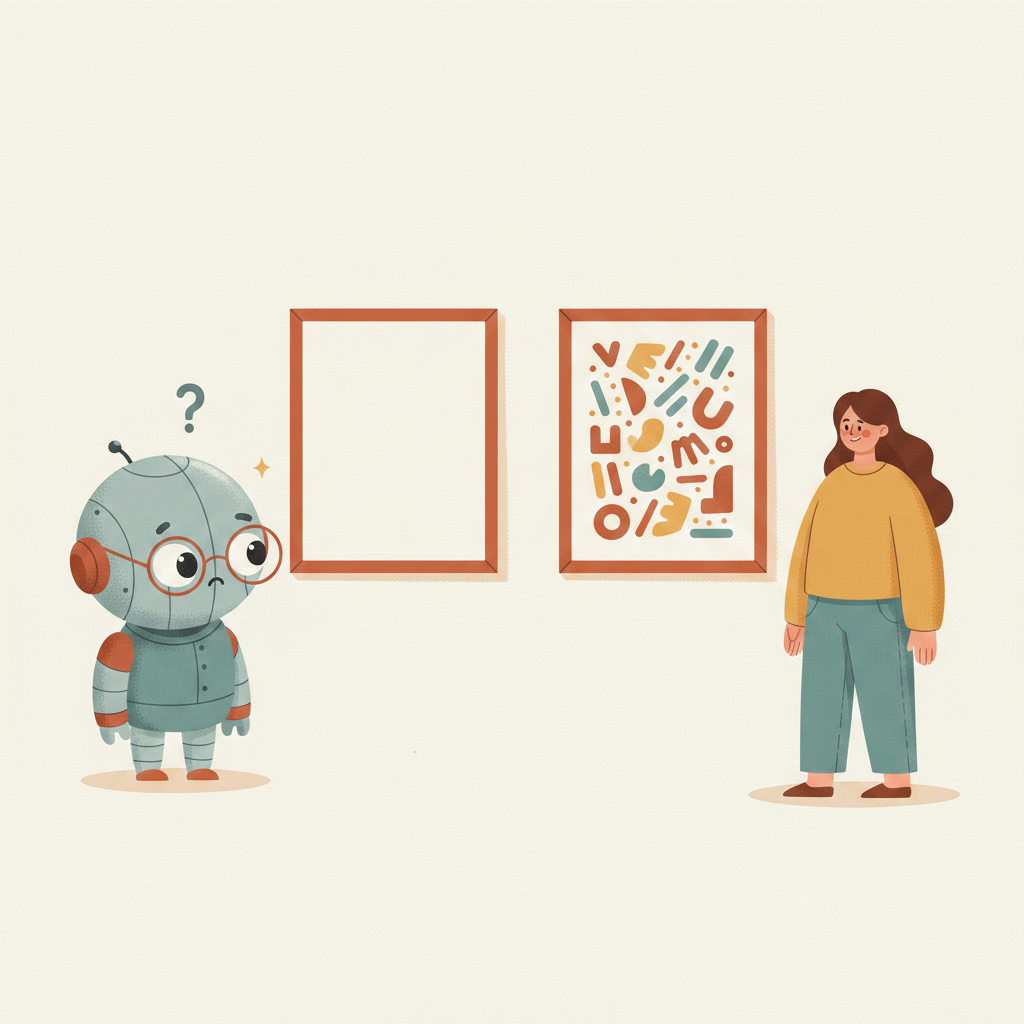
At the same time, the AI can only summarize what it can actually read. And it cannot read your image. That gorgeous image-only campaign, the one your designer spent the afternoon perfecting? To the machine, it's a blank wall. No text, no summary, no preview, no open. The emails that win the summary are the ones built text-first, with a structure the machine can actually follow.
Then there's the call-to-action problem. These summaries are short. A sentence, maybe three. If your "Shop the sale" isn't in that window, it simply doesn't make the cut. Which means you're now writing for two readers at once: the human who might open, and the machine deciding how to describe your email to that human in the first place. Bury the ask, and the robot leaves it out of the pitch entirely.
Put all of this together and you arrive at the slightly unsettling truth of email in 2026: your first impression is no longer entirely yours. There's now a real chance the single line your customer reads about your email was written by an algorithm that skimmed your opening and took a guess. Not by you.
Now, none of this means email is dying. Far from it.
Email is still the highest-ROI channel most stores have, and the AI isn't out to bury you. It's trying to help an overwhelmed human triage eighty unread messages before their coffee's even cold.
Which is why this might not be a threat at all. Because here's the quietly funny part.
Everything the AI rewards (leading with your offer, one clear CTA up top, real text instead of a wall of images, a layout a tired brain can follow) is exactly what a distracted human always wanted too. We just got away with ignoring it for years, because there was no referee. The AI is simply the referee that finally showed up.
So writing for the robot doesn't cost you the human. It's the same email. It was always the same email.
So what do you actually do about it? Honestly, less than you'd fear:
- Lead with the offer in the first two sentences. The warm-up can wait.
- One CTA, in words, near the top. Not buried under five competing buttons.
- Build text-first. Let images support the message, not carry it.
And the gut-check before you hit send: would this email still make sense if all anyone ever read was a one-line summary of it? Because increasingly, that's all they will.
The channel didn't get harder. It just stopped rewarding the lazy.
Until next Tuesday…
If this was useful, forward it to someone still sending image-only emails and hoping for the best.
Mailbites